
Understanding the Benefits of Water Filtration Systems
- Andres Clavijo
- Jan 9
- 4 min read

Access to clean and safe drinking water is a fundamental necessity for every household. Yet, many people are unaware of the potential contaminants lurking in their tap water. Water filtration systems offer a practical solution to ensure that the water you consume is not only safe but also tastes better. In this blog post, we will explore the various benefits of water filtration systems, how they work, and why investing in one can be a game-changer for your health and well-being.

What is a Water Filtration System?
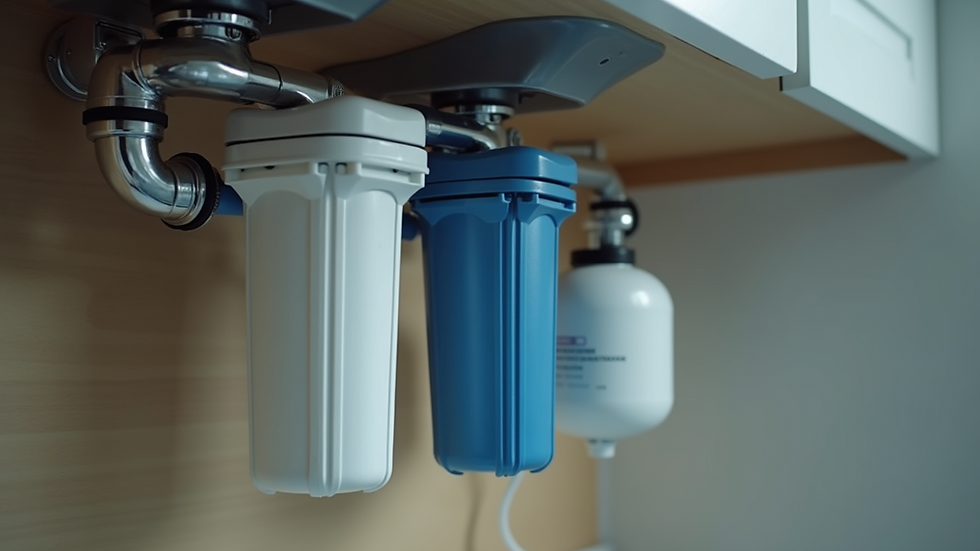
A water filtration system is designed to remove impurities and contaminants from water, making it safe for consumption. These systems can vary in complexity, from simple pitcher filters to advanced reverse osmosis systems. The primary goal is to improve the quality of water by eliminating harmful substances such as bacteria, heavy metals, chlorine, and sediment.
Types of Water Filtration Systems
Activated Carbon Filters
These filters use activated carbon to absorb impurities. They are effective at removing chlorine, sediment, and volatile organic compounds (VOCs), which can affect the taste and odor of water.
Reverse Osmosis Systems
Reverse osmosis (RO) systems use a semi-permeable membrane to remove a wide range of contaminants, including heavy metals, salts, and microorganisms. This method is highly effective but may waste some water in the process.
Ultraviolet (UV) Purifiers
UV purifiers use ultraviolet light to kill bacteria and viruses in water. This method is chemical-free and does not alter the taste of water.
Whole House Filtration Systems
These systems are installed at the point of entry to your home and filter all the water that comes into the house. They are ideal for households that want comprehensive protection against contaminants.
The Health Benefits of Water Filtration
Investing in a water filtration system can lead to numerous health benefits. Here are some of the most significant advantages:
Improved Taste and Odor
One of the most immediate benefits of using a water filtration system is the improvement in taste and odor. Many people find that tap water has a distinct chlorine taste or unpleasant smell. Activated carbon filters effectively remove these impurities, resulting in fresher and more palatable water.
Removal of Harmful Contaminants
Water can contain various harmful contaminants, including:
Lead: Often found in older plumbing systems, lead can cause serious health issues, especially in children.
Chlorine: While used to disinfect water, chlorine can produce harmful byproducts when it reacts with organic matter.
Bacteria and Viruses: Pathogens can enter the water supply, leading to gastrointestinal illnesses.
A good water filtration system can significantly reduce or eliminate these contaminants, providing peace of mind regarding your family's health.
Enhanced Hydration
Clean water is essential for proper hydration. When water tastes better, people are more likely to drink adequate amounts throughout the day. Staying hydrated is crucial for maintaining energy levels, supporting digestion, and promoting overall health.
Cost-Effective Solution
While there may be an initial investment in a water filtration system, it can save you money in the long run. Purchasing bottled water can be expensive and environmentally damaging. By filtering your tap water, you can enjoy clean water without the recurring costs associated with bottled products.
Environmental Benefits of Water Filtration
In addition to health benefits, water filtration systems also contribute positively to the environment. Here are some key points to consider:
Reduction in Plastic Waste
Bottled water contributes significantly to plastic pollution. By using a water filtration system, you can reduce your reliance on single-use plastic bottles, helping to decrease the amount of plastic waste in landfills and oceans.
Lower Carbon Footprint
The production and transportation of bottled water require energy and resources, contributing to greenhouse gas emissions. By filtering your tap water, you can lower your carbon footprint and support a more sustainable lifestyle.
Choosing the Right Water Filtration System
With various options available, selecting the right water filtration system for your needs can be overwhelming. Here are some factors to consider:
Assess Your Water Quality
Before purchasing a filtration system, it's essential to understand the quality of your tap water. You can obtain a water quality report from your local water supplier or conduct a home water test. This information will help you choose a system that effectively targets the specific contaminants present in your water.
Consider Your Household Needs
Think about your household's water consumption and the types of contaminants you want to remove. For example, if you have a large family, a whole house filtration system may be more suitable. Conversely, if you only need filtered water for drinking and cooking, a countertop or under-sink system may suffice.
Budget
Water filtration systems come in various price ranges. Determine your budget and consider the long-term savings associated with reduced bottled water purchases. Investing in a quality system can provide significant health benefits and cost savings over time.
Maintenance and Care of Water Filtration Systems
To ensure your water filtration system operates effectively, regular maintenance is crucial. Here are some tips for keeping your system in top condition:
Change Filters Regularly
Most filtration systems require periodic filter changes to maintain their effectiveness. Follow the manufacturer's guidelines for when to replace filters, and keep track of your filter replacement schedule.
Clean the System
Depending on the type of filtration system, you may need to clean the unit itself periodically. This can involve rinsing components or using specific cleaning solutions. Refer to the user manual for instructions on how to clean your system properly.
Monitor Water Quality
Regularly test your water quality to ensure your filtration system is working effectively. If you notice any changes in taste, odor, or clarity, it may be time to check your filters or consult a professional.
Conclusion
Water filtration systems offer a practical and effective way to ensure that you and your family have access to clean, safe drinking water. By removing harmful contaminants and improving taste, these systems can enhance your overall health and well-being. Additionally, they contribute to environmental sustainability by reducing plastic waste and lowering your carbon footprint.
Investing in a water filtration system is not just a choice; it's a commitment to a healthier lifestyle. Take the first step towards cleaner water today by researching the options available and finding the right system for your needs. Your body will thank you!

Comments